Best Seller Icon Bestseller

DIPLOMA In Yoga Teacher(M-YT-2329)

  • Last updated Dec, 2025
  • Certified Course
Video Images
Preview this course
₹12,000 ₹18,000
  • Duration1 Years
  • Enrolled0
  • Lectures52
  • Videos0
  • Notes0
  • CertificateYes

What you'll learn

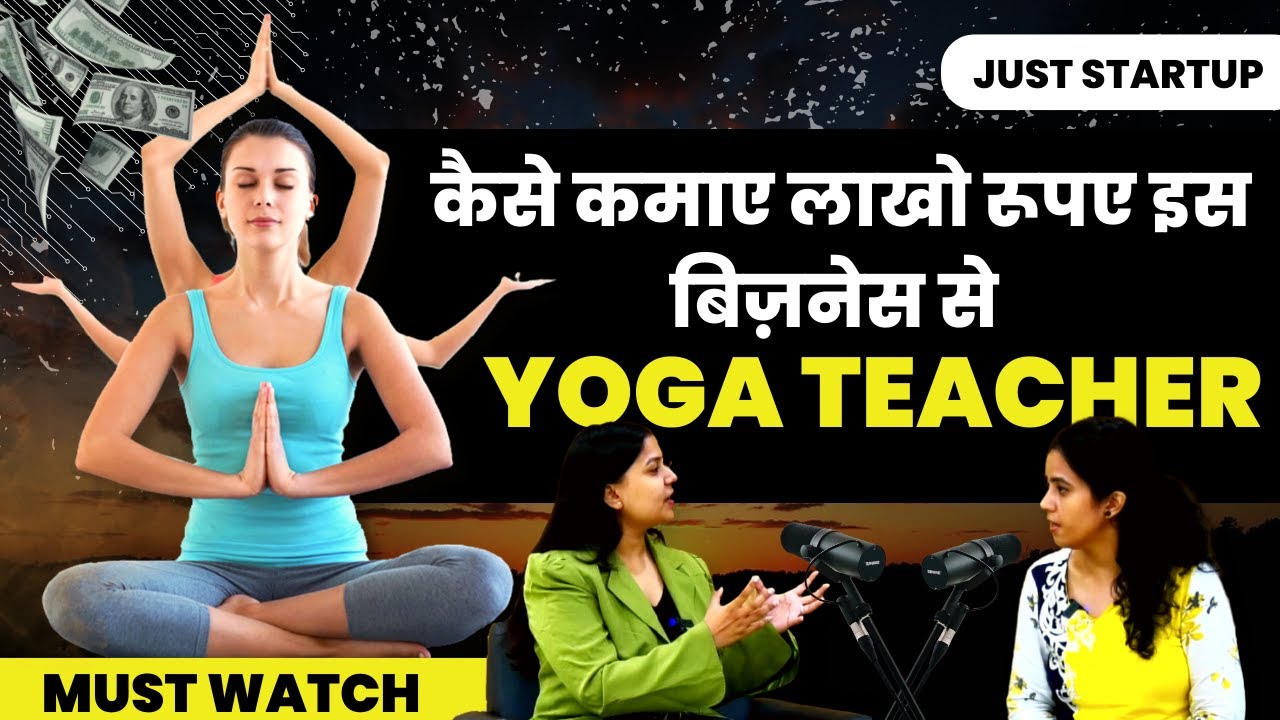
Description of a Yoga Teacher

Core Role: The primary responsibility of a yoga teacher is to instruct students safely and effectively in the techniques of yoga. They create a supportive and inclusive environment that encourages students to connect their breath with movement, reduce stress, and improve physical strength and flexibility. 

Key Responsibilities:

  • Instruction and Demonstration: Leading classes by demonstrating proper alignment for various yoga poses (asanas) and verbally guiding students through transitions.
  • Modification and Adjustment: Offering variations of poses (modifications) to accommodate different skill levels, physical limitations, or injuries. They may also provide safe, hands-on adjustments to help students deepen their understanding of a posture.
  • Curriculum Design: Planning and sequencing classes that follow specific themes, focus areas, or styles (e.g., Hatha, Vinyasa, Ashtanga, Yin).
  • Creating a Safe Environment: Ensuring the studio or practice space is safe, comfortable, and conducive to relaxation and focus.
  • Philosophy and Ethics: Integrating yogic philosophy, ethics (Yamas and Niyamas), and mindfulness principles into their teaching. 

Required Skills and Qualifications:

  • Certification: Most reputable yoga teachers hold a minimum 200-hour Yoga Teacher Training (YTT) certification from a recognized institution, such as those registered with the international Yoga Alliance or certified by the Indian government's Yoga Certification Board (YCB).
  • Knowledge: Deep understanding of human anatomy, physiology, yoga philosophy, and various yoga techniques.
  • Communication: Excellent communication skills to clearly instruct, motivate, and connect with students.
  • Empathy and Patience: The ability to be compassionate and patient with students of varying abilities and backgrounds. 

In essence, a yoga teacher acts as a guide, helping individuals navigate their personal journeys toward physical health, mental clarity, and inner peace.


Show More

Course Syllabus

A yoga teacher training (YTT) syllabus is structured to cover both the practical and theoretical aspects of yoga. The most common certification is the 200-hour course, which provides foundational knowledge and is the standard for becoming a certified instructor, often registered with bodies like the Yoga Alliance or the Government of India's Yoga Certification Board (YCB). 

The syllabus is generally divided into the following core areas:

1. Techniques, Training, and Practice (Asanas, Pranayama, etc.)

This is the largest component of the syllabus and focuses on developing the personal practice of the aspiring teacher. 

  • Asanas (Yoga Postures): In-depth practice, alignment, variations, modifications, benefits, and contraindications for a wide range of poses (standing, seated, inversions, backbends, etc.).
  • Pranayama (Breathing Techniques): Study and practice of various breath control techniques, such as Ujjayi, Bhastrika, Nadi Shodhana, Sheetali, and Bhramari.
  • Shatkarma (Yogic Cleansing): Knowledge and practice of purification techniques like Jala Neti, Sutra Neti, Kapalbhati, and Vamana Dhauti.
  • Meditation and Mantra Chanting: Introduction to various meditation techniques (breath awareness, mantra, Trataka, Yoga Nidra) and recitation of sacred sounds and hymns.
  • Mudras and Bandhas: Understanding and practice of specific energy gestures and internal energy locks (Mula, Uddiyana, Jalandhara Bandha). 

2. Anatomy and Physiology

This module covers the human body and how it relates to yoga practice, ensuring safety and efficacy. 

  • Physical Anatomy: Study of bodily systems (musculoskeletal, respiratory, cardiovascular, nervous, digestive, endocrine) and organs.
  • Energy Anatomy: Introduction to subtle body concepts such as Chakras, Nadis (energy channels), and Koshas (layers of being).
  • Application to Yoga: Understanding healthy movement patterns, injury prevention, and the physiological effects of yoga on the body. 

3. Yoga Philosophy, Lifestyle, and Ethics

This theoretical foundation explores the historical and spiritual roots of yoga and the ethical responsibilities of a teacher. 

  • Yoga Philosophy: Study of classical texts, including the Patanjali Yoga Sutras (Yamas and Niyamas, eight limbs of yoga, Kleshas) and selected teachings from the Bhagavad Gita and Hatha Yoga Pradipika.
  • Lifestyle and Ethics: Discussions on the yogic lifestyle (e.g., Yogic diet, Dincharya), the qualities of a good teacher, and professional ethics. 

4. Teaching Methodology and Practicum

This practical section prepares trainees to become effective instructors. 

  • Teaching Skills: Principles of demonstration, observation, assisting, and correcting students' poses (verbal and hands-on adjustments).
  • Class Management: Learning how to structure and sequence a class, time management, and creating a positive and safe environment.
  • Practicum: Hands-on experience in practice teaching, receiving feedback from instructors and peers, and observing others teach. 


Course Fees

Course Fees
:
₹18000/-
Discounted Fees
:
₹ 12000/-
Course Duration
:
1 Years

Review

0.0
Course Rating (0 reviews)
0%
0%
0%
0%
0%